
Helping Your Loved One Age in Place with Safety, Dignity, and Compassion
Watching Someone You Love Change Is Never Easy
It usually doesn’t happen all at once.
Maybe your mom has started repeating the same story several times during dinner. Your dad forgets appointments he never used to miss, or you’ve noticed unopened mail piling up on the kitchen counter. Perhaps they seem more withdrawn than usual, or they call you with the same question two or three times in one afternoon.
At first, it’s easy to dismiss these moments as a normal part of getting older.
But over time, those small changes begin to raise bigger questions.
“Is this just aging?”
“Should I be worried?”
“Can Mom still live safely at home?”
“How do I know when it’s time to ask for help?”
If you’re asking yourself these questions, you’re not alone.
Every year, families throughout Wilmington, Wrightsville Beach, and New Hanover County begin navigating the challenges of Alzheimer’s disease and other forms of dementia. While every family’s journey is unique, one thing remains the same: everyone wants their loved one to feel safe, respected, and as independent as possible.
At Age in Place Home Care Services, we understand that home is much more than a place to live.
It’s where birthdays were celebrated.
Where grandchildren learned to bake cookies.
Where family traditions were created.
Where decades of memories still live.
For many older adults, remaining in those familiar surroundings provides comfort and stability during a time when so much else may feel uncertain.
Our goal is simple to help seniors continue living safely at home while giving families the confidence that their loved one is receiving compassionate, personalized support every step of the way.
Understanding Dementia: More Than Forgetfulness
One of the biggest misconceptions about dementia is that it’s simply a memory problem.
It is important to understand that dementia is a broad term, and that causes a bit of confusion. Dementia isn’t a disease, though it is often presented in a way that would male one think it was a disease; it is really the symptom of a disease.
There are many conditions that cause someone to experience dementia. Some root causes such as a UTI, can be temporary and other causes are irreversible. For this reason, early detection is very important if you believe your loved one is experiencing “dementia”.
While memory loss is often one of the earliest signs, people notice memory loss is very often part of the natural aging process. If Dad forgets where he put his keys, or Mom struggles to recall a word or a name, that isn’t as alarming if they forget how to use their phone, or the microwave.
Dementia can affect:
- Decision-making
- Problem-solving
- Communication
- Balance and coordination
- Personality and behavior
- Judgment
- The ability to perform everyday tasks
Dementia is much more than the natural aging process.
Some people continue living independently for years after a diagnosis with only occasional assistance. Others need more hands-on support as their disease progresses.
Because every person experiences dementia differently, care should always be personalized to the individual’s needs, not simply the diagnosis of the individual’s root cause.
Understanding the Different Types of “Dementia”
Although Alzheimer’s disease is the most recognized disease that causes dementia, several conditions can affect memory, thinking, and behavior.
Alzheimer’s Disease
Alzheimer’s disease is the most common type of dementia and typically develops gradually over time.
Early symptoms often include:
- Forgetting recent conversations
- Misplacing everyday items
- Asking the same questions repeatedly
- Difficulty planning or organizing
- Confusion with dates or appointments
- Confusion with time or place
As Alzheimer’s progresses, individuals will require assistance with personal care, meal preparation, mobility, and other daily activities.
Despite these changes, meaningful relationships remain incredibly important. Familiar voices, favorite music, treasured photographs, and comforting routines continue to bring joy and reassurance throughout the journey.
Lewy Body Dementia
Lewy body dementia can affect both thinking and movement. Families often notice that symptoms fluctuate from one day or even one hour to the next.
A loved one may appear alert and engaged in the morning but become confused later in the day. Some individuals experience visual hallucinations, sleep disturbances, stiffness, or balance problems like Parkinson’s disease.
Because symptoms can change quickly, maintaining consistent routines and familiar caregivers often helps reduce stress and anxiety.
Frontotemporal Dementia (FTD)
Frontotemporal dementia affects the areas of the brain responsible for behavior, personality, language, and decision-making.
Unlike Alzheimer’s disease, memory may remain relatively strong during the early stages.
Instead, families may notice changes such as:
- Impulsive behavior
- Difficulty finding words
- Personality changes
- Reduced empathy
- Challenges with communication
- Poor judgment
These changes can be confusing and emotionally difficult for loved ones. Having patient, understanding caregivers who know how to adapt their communication style can make everyday interactions less stressful for everyone involved.
Every Dementia Journey Is Different
No two people experience dementia in exactly the same way.
One person may enjoy gardening, reading, and preparing meals well into the early stages of the disease. Another may need reminders to eat breakfast or assistance remembering appointments.
That’s why personalized care matters.
At Age in Place Home Care Services, we don’t begin by asking, “What diagnosis does your loved one have?”
We begin by asking:
- What brings them joy?
- What does a typical day look like?
- What routines help them feel comfortable?
- What hobbies have always been important?
- What level of independence do they want to maintain?
These conversations help us create care plans that honor the individual, not just address the condition.
Local Insight
One of the things we love most about serving Wilmington and the surrounding communities is getting to know the people behind the care. We’ve met retired teachers, veterans, nurses, business owners, artists, and lifelong coastal residents each with a unique story to tell.
Personalized home care means taking the time to learn those stories, so every visit feels familiar, respectful, and centered on the person rather than the diagnosis.
Why Home Matters So Much
When someone is living with dementia, familiarity becomes incredibly valuable.
The favorite chair by the window.
Family photographs lining the hallway.
The sound of birds outside each morning.
Coffee from the same mug.
A dog waiting at the front door.
These everyday routines may seem small, but they provide comfort and reassurance during a time when the world can begin to feel confusing.
Moving into an unfamiliar environment can be stressful for anyone. For someone living with dementia, that transition may increase confusion, anxiety, and disorientation.
Remaining at home allows many older adults to continue enjoying the routines they’ve built over a lifetime while receiving the support they need to stay safe.
Home also allows families to continue creating meaningful moments together.
Instead of spending every visit focused on laundry, grocery shopping, medications, or household chores, adult children can enjoy conversations, look through old family photo albums, take a walk together, or simply sit on the porch and watch the sunset.
Those moments become even more meaningful when caregiving responsibilities are shared.
Caregiver Tip
One of the most comforting things you can do for someone living with dementia is maintain a predictable daily routine. Simple habits like eating meals at the same time, listening to favorite music in the afternoon, or taking a short evening walk can provide a sense of familiarity and reduce feelings of anxiety.
Remember, consistency often brings more comfort than constant activity.
Part 2: Recognizing When It’s Time for Help

One of the most difficult decisions families face isn’t choosing a home care provider, it’s knowing when to ask for help in the first place.
Many adult children tell themselves, “Mom is still doing okay.” Spouses often believe they can continue managing everything on their own. Others worry that accepting help means taking away a loved one’s independence.
The truth is, asking for support isn’t about giving up. It’s about recognizing that everyone deserves help before daily challenges become a crisis.
In fact, many families who begin home care earlier tell us they wish they had reached out sooner. Starting with just a few hours of support each week can reduce stress, improve safety, and help seniors remain comfortably at home longer.
Common Early Signs It May Be Time for Home Care
Every person experiences dementia differently, but there are common signs that suggest additional support may improve both safety and quality of life.
Daily Routines Are Becoming More Difficult
Tasks that once seemed automatic may suddenly require extra time, reminders, or assistance.
You may notice your loved one:
- Wearing the same clothes that are soiled and in need of laundering
- Forgetting to shower or brush their teeth
- Having trouble preparing meals
- Eating less than usual
- Forgetting appointments
- Struggling to keep up with household chores
- Becoming overwhelmed by simple daily tasks
These changes don’t necessarily mean it’s time to leave home. Often, they simply mean a little extra support can help someone continue living independently and confidently.
Medications Are Being Missed
Medication schedules often become difficult to manage as memory changes.
Perhaps you’ve found pills left in the organizer or discovered doses have been taken twice. These situations are more common than many families realize and can quickly become serious if left unaddressed.
Having a caregiver provide reminders, establish routines, and communicate with family members can bring valuable peace of mind.
Meals and Nutrition Are Changing
Good nutrition becomes increasingly important as we age, yet it’s often one of the first areas affected by dementia.
You may notice:
- Expired food in the refrigerator
- Burned cookware
- Empty cupboards
- Weight loss
- Little interest in cooking
- Skipping meals altogether
A caregiver can help with grocery shopping, meal preparation, hydration reminders, and sharing meals together making mealtime both safer and more enjoyable.
Increased Confusion Throughout the Day
Many families notice that confusion becomes more noticeable later in the afternoon or evening.
Your loved one may seem uncertain about the time, become anxious as daylight fades, or ask repeatedly when they’re “going home” even while sitting in their own living room.
These moments can be frustrating and emotional for everyone involved.
A calm, familiar caregiver who understands how to redirect conversations and maintain a comforting routine can often help ease these transitions.
Changes in Personality or Mood
Dementia doesn’t just affect memory.
It can also change how a person communicates, reacts to stress, or interacts with family members.
Someone who was once outgoing may become quiet and withdrawn. Another person may become anxious, suspicious, frustrated, or easily overwhelmed.
These changes are often symptoms of the disease, not reflections of the person’s character. This can be difficult for family members to understand. If someone had their leg amputated, we would not expect them to be able to run. When someone is suffering with dementia, and the root cause is irreversible, the sufferer has lost the ability to reason the way they once did, or to be the person they once were. Because the damage is internal it’s not uncommon to see well intentioned family members have unrealistic expectations. It is very difficult to be both caregiver and spouse, son or daughter.
Responding with patience rather than correction helps preserve dignity while reducing unnecessary conflict.
Family Caregivers Are Feeling Exhausted
Sometimes the clearest sign that it’s time for home care isn’t found in the senior.
It’s found in the caregiver.
If you’re constantly worried…
Driving across town every day…
Losing sleep…
Balancing work, children, and caregiving…
Or feeling guilty because you can’t do everything…
You’re not alone. Many family caregivers carry an incredible emotional burden while trying to keep a loved one safe. Accepting help doesn’t replace your role.
It strengthens it.
Professional caregivers handle many of the daily responsibilities, allowing you to spend more meaningful time as a daughter, son, spouse, or grandchild not simply as a caregiver.
Local Insight
We often meet families after months or even years of trying to manage everything on their own.
One adult daughter recently shared, “I didn’t realize how tired I was until someone else was there for a few hours.”
Home care isn’t about replacing family.
It’s about giving families room to breathe again. It is about allowing you to be the spouse, son or daughter while handing off the heavy lifting of bathing, toileting and the other activities of daily living.
What Does Dementia Home Care Actually Look Like?
One of the biggest misconceptions about home care is that it’s only for people who need around-the-clock assistance.
In reality, care is highly flexible and can be tailored to each person’s needs. Some families begin with a few hours of companion care each week. Others need daily assistance with personal care or respite support for a spouse who has become the primary caregiver.
The goal is always the same: provide the right level of support while helping seniors remain as independent as possible.
Personal Care That Preserves Dignity
As dementia progresses, everyday activities may become more difficult.
Our caregivers provide respectful assistance with Activities of Daily Living (ADLs), including:
- Bathing and showering
- Dressing
- Grooming
- Toileting assistance
- Mobility support
- Meal preparation
- Light housekeeping
- Laundry
Every interaction is approached with patience, encouragement, and respect for the individual’s preferences.
Whenever possible, we encourage seniors to participate in their own care so they can maintain confidence and independence.
The Value of Meaningful Companionship
One of the greatest gifts a caregiver can provide isn’t completing tasks.
It’s simply being present.
Companionship helps reduce loneliness while creating opportunities for conversation, laughter, and meaningful connection. Depending on the individual’s interests, that might include:
- Looking through family photo albums
- Listening to favorite music
- Working puzzles
- Reading together
- Gardening
- Taking short walks
- Enjoying coffee on the porch
- Watching favorite movies
- Sharing stories about family traditions
These aren’t just activities.
They’re opportunities to preserve identity, encourage engagement, and brighten someone’s day.
Creating Safe and Predictable Routines
Living with dementia often becomes easier when each day follows a familiar rhythm.
Caregivers help establish routines that support comfort and consistency.
A typical day might include:
- Morning personal care
- Breakfast together
- A favorite hobby or walk
- Lunch and hydration
- Quiet afternoon activities
- Evening relaxation before bedtime
These predictable routines can help reduce anxiety while making each day feel more manageable.
Caregiver Tip
If your loved one insists on something that isn’t accurate such as needing to leave for work after retirement try responding to the emotion instead of correcting the facts.
Rather than saying, “You retired years ago,” try asking about their favorite memories from work or gently redirecting the conversation toward a familiar activity.
Validation and reassurance often create a calmer, more positive experience than trying to convince someone they’re wrong.
The Greatest Benefit May Be Peace of Mind
Home care isn’t simply about helping with meals, bathing, or household chores.
It’s about helping families breathe a little easier.
Knowing someone is checking in.
Knowing your loved one isn’t alone.
Knowing there is another caring person who notices changes, celebrates good days, and offers reassurance during the difficult ones.
Those moments of peace matter just as much as the practical assistance.
For many families, professional home care doesn’t just improve life for the person receiving care, it helps restore balance, confidence, and hope for everyone involved.
Choosing the Right Home Care Partner
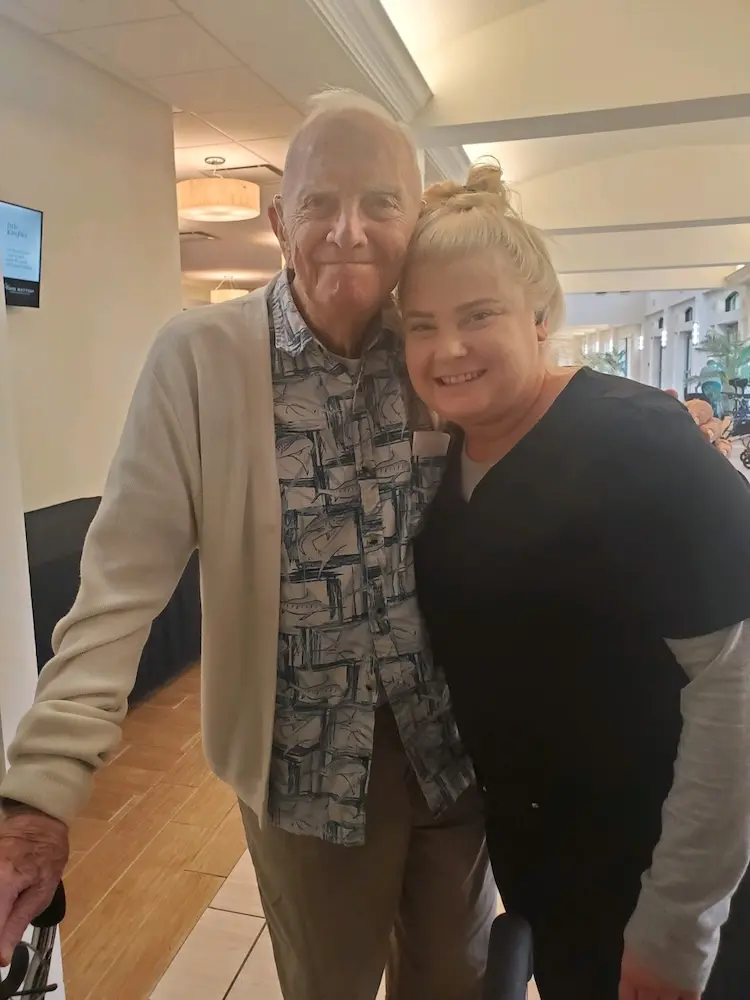
Inviting someone into your loved one’s home is one of the most personal decisions you’ll ever make.
You’re trusting someone not only with daily tasks but with your parent’s comfort, dignity, routines, and well-being.
That’s why finding the right caregiver is about much more than credentials. It’s about finding someone who genuinely connects with your loved one and treats them with the same patience, kindness, and respect you would.
At Age in Place Home Care Services, we believe exceptional care begins with listening.
Before developing a care plan, we take the time to understand the person behind the diagnosis.
Who are they?
What brings them joy?
What does a good day look like?
What routines have shaped their life?
Those conversations help us provide care that feels personal rather than clinical.
Care Should Never Feel “One Size Fits All”
No two families have the same needs.
One individual may simply enjoy having someone stop by a few mornings each week for conversation, meal preparation, and light housekeeping.
Another family may need daily assistance with bathing, dressing, mobility, and respite care for a spouse who has become the primary caregiver.
Others may be navigating the challenges of a recent hospital discharge while trying to determine what level of support will help their loved one recover safely at home.
Because those situations are different, every care plan should be different too.
As needs change, care can be adjusted—providing additional support while helping seniors maintain as much independence as possible.
Local Insight
One of the advantages of working with a locally owned home care agency is that we understand the community we serve.
Whether your loved one has lived in Wilmington for decades, recently retired to Wrightsville Beach, or enjoys spending time with family throughout New Hanover County, our goal is to help them continue living safely in the place that already feels like home.
We aren’t just serving clients, we’re caring for our neighbors.
Caregivers Make the Difference
The best care plans are only as good as the people delivering them. That’s why we believe compassion and character are just as important as experience.
Our caregivers receive ongoing training and are selected not only for their skills, but for their ability to build genuine relationships with the families they serve.
Sometimes the most meaningful moments have nothing to do with personal care.
Sharing stories over coffee.
Listening to favorite beach music.
Looking through old family photographs.
Watching birds from the porch.
Taking a short walk on a beautiful Wilmington afternoon.
Those simple moments often become the ones families remember most.
Caregiver Tip
When introducing a caregiver for the first time, keep the visit relaxed.
Rather than focusing on “receiving care,” think of it as someone stopping by to spend time together.
Sharing coffee, talking about favorite hobbies, or taking a walk can help build trust naturally before assistance with personal care becomes part of the routine.
Common Questions Families Ask Us
Is it too early to start home care?
Probably not.
Many families find that introducing care early allows their loved one to become comfortable with a caregiver before additional support is needed. Beginning with companion care or a few hours of assistance each week often creates a smoother transition as needs change over time. If however, the patient is a clear and present danger to themselves it is an emergency and the best cause of action is to call 911 immediately.
Can someone with Alzheimer’s continue living at home?
In many cases, yes.
With the right support, a safe home environment, and a personalized care plan, many individuals living with Alzheimer’s disease or another form of dementia can remain comfortably at home for years.
The amount of support needed varies from person to person and often changes as the condition progresses.
Is home care only for people who need help every day?
Not at all.
Many families begin with just a few hours of companion care each week. As needs change, care can be increased gradually, allowing seniors to receive the right level of support without making sudden changes to their daily routine.
Will having a caregiver take away my loved one’s independence?
Quite the opposite.
The purpose of home care is to support independence, not replace it.
Caregivers encourage seniors to continue doing the things they can safely manage while providing assistance only where it’s needed. Maintaining that sense of purpose is an important part of aging well.
What if my parent says they don’t need help?
This is one of the most common concerns families share.
Many older adults value their independence and may initially hesitate to accept assistance.
Starting with companion care rather than focusing on “caregiving” often makes the transition easier. Once a relationship develops, many seniors begin looking forward to their caregiver’s visits.
How do we know when it’s time?
There is rarely one defining moment.
Instead, families usually notice a pattern.
Perhaps medications are being missed, meals are skipped, falls become more frequent, or caregiving responsibilities begin affecting the health and well-being of a spouse or adult child.
If you’re asking whether it’s time to explore home care, it’s probably the right time to begin the conversation even if you ultimately decide to wait. It is always better to be able to begin planning proactively than having to be forced to act reactively because of a sudden change or event.
Learning about your options early gives your family more choices and more time to plan.
From Our Team
We know this journey isn’t always easy.
Behind every dementia diagnosis is a family doing their very best to make thoughtful, loving decisions.
Some days feel hopeful, others feel overwhelming.
Wherever you are on that journey, know that you don’t have to navigate it alone.
At Age in Place Home Care Services, we’re honored to walk alongside families throughout Wilmington, Wrightsville Beach, and New Hanover County by providing compassionate, personalized care that helps older adults remain safe, comfortable, and connected to the place they know best, home.
A Moment of Encouragement
If you’re reading this because you’re worried about someone you love, take a moment to remember this:
You don’t need to have all the answers today.
Simply learning about dementia, asking questions, and exploring available support is a meaningful first step.
Seeking help isn’t about giving up independence. It’s about protecting it.
The right support can help your loved one continue enjoying familiar routines, meaningful relationships, and the comfort of home while giving your family the confidence that you’re not carrying this responsibility alone.
Let’s Start the Conversation
Every family’s story is different, and every care plan should be too.
Whether you’re beginning to notice subtle changes, navigating a recent diagnosis, or simply wondering what support might look like, we’re here to listen.
Schedule a free in-home assessment with Age in Place Home Care Services, and together we’ll create a personalized plan that helps your loved one remain safe, comfortable, and independent while aging in place.
No pressure. Just a conversation about what’s best for your family.
Dementia Resources and Tools for Wilmington Families
At a Glance: Comparing Common Types of Dementia
| Condition | Early Signs | Common Challenges | How Home Care Can Help |
|---|---|---|---|
| Alzheimer’s Disease | Memory loss, repeating questions, confusion with time | Personal care, medication reminders, daily routines | Consistent routines, companionship, ADL assistance, safety monitoring |
| Lewy Body Dementia | Hallucinations, fluctuating alertness, movement changes | Balance, sleep disturbances, confusion | Fall prevention, routine, mobility support, companionship |
| Frontotemporal Dementia (FTD) | Personality changes, impulsivity, language difficulties | Communication, judgment, behavior | Patient communication, structured routines, caregiver support |
(We should add a note that this table is for educational purposes and isn’t intended to diagnose any condition.)
Dementia Home Care Checklist
You may benefit from scheduling a free in-home assessment if your loved one is…
☐ Missing medications
☐ Skipping meals
☐ Wearing the same clothes repeatedly
☐ Forgetting appointments
☐ Having difficulty with bathing or grooming
☐ Becoming confused in familiar places
☐ Feeling lonely or isolated
☐ Recovering from a hospitalization
☐ Showing signs of caregiver burnout in the family
☐ Needing help with transportation or errands
Even checking one or two of these boxes doesn’t necessarily mean your loved one can no longer live independently—but it may be a good time to explore available support before a crisis occurs.
Wilmington Family Resources
Every family begins this journey from a different place. Some are responding to a recent diagnosis. Others have been quietly helping a parent for months or years.
Whatever your situation, remember that you don’t have to figure everything out on your own.
In addition to personalized home care, families often benefit from connecting with local physicians, memory care specialists, caregiver support groups, senior centers, and community organizations that understand the challenges of dementia.
If you’re unsure where to begin, we’re always happy to point families toward trusted local resources in the Wilmington area, even if you’re simply gathering information.
From Our Team
One of the greatest privileges of our work is hearing the stories that have shaped the lives of the people we serve.
We’ve cared for retired teachers who inspired generations of students, veterans who proudly served our country, nurses who spent decades caring for others, and parents who built loving homes for their families.
Those stories matter.
Our job isn’t simply to provide assistance with daily activities.
It’s to honor each person’s life while helping them continue writing the next chapter with dignity, purpose, and compassion.
For more information about our Alzheimer’s & dementia services, click here.