
Fall prevention for seniors in Wilmington, NC involves removing home hazards, improving lighting, installing grab bars, and using non-slip mats. More than one in four older adults falls annually. Age in Place Home Care Services conducts complimentary in-home consultations, identifies safety risks, and provides trained caregivers who assist with mobility, transfers, and daily monitoring throughout New Hanover County.
Key Takeaways
Falls represent the leading cause of injury for North Carolina adults aged 65 and older annually.
More than one in four older adults experience falls each year, increasing injury risk significantly.
North Carolina recorded 1,727 fall-related deaths among seniors and over 21,000 hospitalizations from falls.
Home hazards like stairs, slippery floors, and poor lighting create immediate fall risks for elderly residents.
Why Are Falls Such a Serious Risk?
More than one in four older adults experiences a fall each year, turning fall risk into a routine concern rather than a rare accident. For seniors living in Wilmington, North Carolina, one bad step on a wet patio or a loose stair rail can end independence overnight. That reality is why fall prevention strategies for seniors sit at the center of safe aging-in-place planning, not as an afterthought.
Across North Carolina, unintentional falls rank as the leading cause of injury among adults 65 and older. They also drive a significant share of emergency room visits statewide, including in New Hanover County communities like Wilmington and Wrightsville Beach.
How Serious Is the Damage Falls Cause?
The numbers tell a sobering story. According to Governor Stein, in 2025 falls among older North Carolinians led to:
Over 1,700 deaths
More than 21,000 hospitalizations
Over 138,000 emergency department visits
Hospitalization costs averaging tens of thousands of dollars per incident
These figures show that a fall rarely stays a minor incident. Recovery often means weeks of rehabilitation, lost mobility, and steep unexpected expenses for families already managing aging parents’ care.
Why Should Fall Prevention Be Built Into Daily Care?
Waiting for a fall to happen before addressing safety puts seniors at unnecessary risk. Age in Place Home Care Services treats fall prevention as a core part of every personal care plan delivered to Wilmington families, not an optional upgrade. Caregivers watch for hazards, assist with mobility, and support safer daily routines before an accident occurs, giving families in the Wilmington area real peace of mind.
How Can You Fall-Proof a Wilmington Home?
A safe home starts with a room-by-room review, not a single quick fix. Wilmington seniors who want to remain in their homes face a real risk: cluttered hallways, slick bathroom floors, and dim staircases turn ordinary rooms into hazards. As more Wilmington-area older adults choose to stay in their own homes rather than relocate, keeping that environment safe becomes a central part of aging in place successfully.
Reducing hazards throughout the house remains one of the most effective ways to protect an aging loved one. Fall prevention strategies for seniors work best when they address the whole living space, not just obvious trip risks. A cluttered kitchen counter, a loose rug in the hallway, or a poorly lit bathroom can each set the stage for injury.
What Role Does a Clean Home Play in Fall Prevention?
A tidy, organized home supports both safety and comfort at the same time. Clearing walkways, managing cords, and keeping floors free of clutter cuts down on the everyday obstacles that cause trips, giving family caregivers one less thing to worry about.
How Does Hands-On Support Reduce Falls at Home?
Direct assistance during daily movement lowers the odds of a fall considerably. A caregiver steadying an older adult while walking, transferring from a chair, or navigating stairs provides a layer of protection that home modifications alone cannot offer.
Before any plan takes shape, a thorough walkthrough of the residence helps identify hazards unique to that specific home. This assessment typically considers:
Lighting in stairwells, hallways, and bathrooms
Flooring surfaces, rugs, and thresholds
Furniture placement and walking paths
Bathroom grab bars and shower access
Each factor gets weighed against the resident’s mobility and routine before recommendations are made.
What Daily Habits Lower Fall Risk?
Small, consistent routines reduce fall risk more reliably than occasional effort. Wilmington seniors who build safety checks into everyday life avoid many of the hazards that lead to hospital visits. Four habits stand out as especially protective: medical review, medication management, movement, and consistency.
Fall prevention strategies for seniors begin with a conversation, not a change in equipment. Scheduling regular check-ins with a physician lets older adults in Wilmington address balance concerns before a fall happens, rather than after. Doctors can assess strength, vision, and gait patterns that quietly shift with age.
Do medications increase fall risk?
Yes. Certain prescriptions cause dizziness or drowsiness, and these side effects raise the chance of a stumble. Reviewing medication lists with a doctor or pharmacist on a regular basis catches these risks early. Family caregivers in Wilmington can help track side effects between appointments and flag changes worth discussing.
Movement matters just as much as medical oversight. Light exercise and regular walking build the strength and balance seniors need to stay steady on stairs, uneven sidewalks, or bathroom floors. Companion caregivers who join clients for walks or gentle activity turn exercise into a shared, motivating habit rather than a chore done alone.
Daily protective habits include:
Reviewing medications regularly with a doctor or pharmacist
Walking or exercising lightly most days of the week
Following prescribed medication schedules without gaps
Discussing any new dizziness or balance changes promptly
Medication reminders reinforce this consistency. Staying on schedule with physician-prescribed medications supports overall stability, since missed or doubled doses often trigger dizziness. Home caregivers who provide these reminders help Wilmington seniors maintain the steady routine that fall prevention depends on.
How Does In-Home Care Prevent Falls?
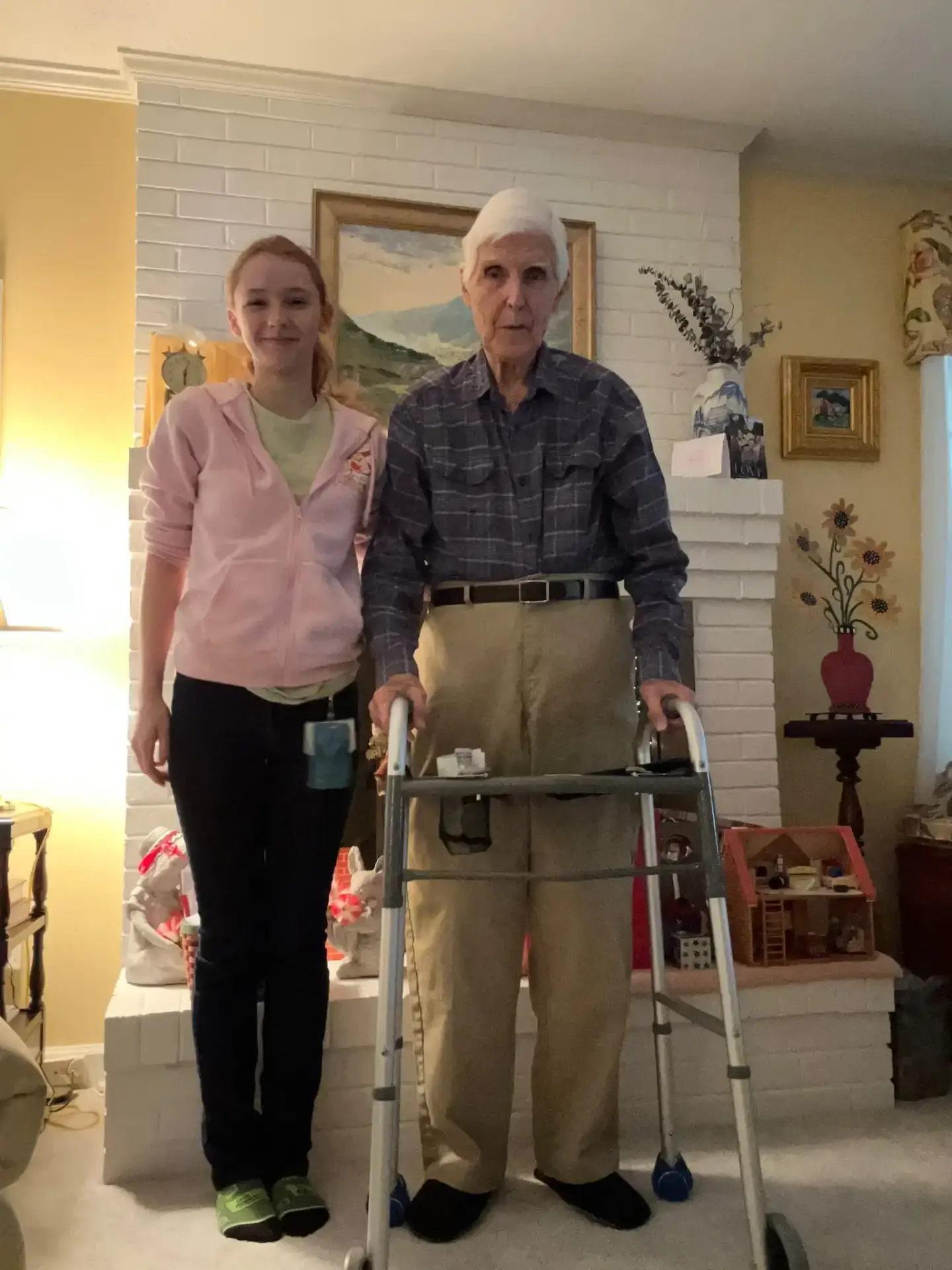
In-home care reduces fall risk by pairing trained caregivers with a nurse-supervised plan built around each client’s specific home and habits. Wilmington families gain a second set of eyes on stairways, bathrooms, and hallways where a single misstep can lead to a hospital visit. That layered oversight is the core of effective fall prevention strategies for seniors who want to remain in the house they know.
A Registered Nurse Supervisor anchors this process. She oversees care planning and works directly with caregivers. Families across Wilmington to keep the plan current as mobility or fall risk changes. This clinical layer means a wobbly gait or a new medication side effect gets addressed quickly, not months later.
Every caregiver serving Wilmington clients also completes a comprehensive background screening before stepping into a client’s home. Screening builds accountability into daily visits. Families know the person helping their parent to the bathroom or up the front steps has been thoroughly vetted.
What Does a Fall Prevention Home Care Plan Actually Include?
The plan starts with a walkthrough of the client’s Wilmington home and daily routines. From there, caregivers develop a customized care plan that becomes the ongoing foundation for reducing fall hazards.
Typical plan elements include:
Mobility assistance and safe transfer techniques
Monitoring during bathing, dressing, and toileting
Guidance around stairs, rugs, and uneven flooring
Recovery support after a hospital stay, which lowers the chance of a fall-related readmission
Based in Wilmington, North Carolina, the agency keeps oversight and response close to the families it serves, so adjustments happen fast when needs shift.
Where Can Wilmington Families Find Support?
Several resources exist for Wilmington families ready to address fall risk before an accident happens. National organizations, federal guidelines, and local home care providers each offer a different piece of the puzzle, and combining them builds the strongest safety net.
The National Council on Aging stands out as a trusted national resource for adults aged 60 and older. Its programs directly address the challenges that come with aging, including fall risk, and offer practical tools families can apply immediately. Alongside NCOA, the CDC’s STEADI framework gives organizations, and by extension, families a structured set of resources, sample checklists, and tips for building an effective home safety plan.
What role does professional home care play in fall prevention?
Local support matters just as much as national guidance. Age in Place Home Care Services works directly with families throughout Wilmington, bringing fall prevention strategies for seniors into everyday routines rather than treating safety as a one-time checklist.
Every new client relationship starts the same way: a complimentary in-home consultation. This visit lets caregivers observe the home environment firsthand and identify hazards a family member might overlook.
Why does licensing matter when choosing local support?
Licensing offers a layer of accountability families can verify. Age in Place operates under North Carolina licensing (HC6708), giving Wilmington households added assurance when inviting caregivers into the home for safety-focused support.
Families combining these resources typically find the most complete picture:
National Council on Aging — programs and guidance for adults 60 and older
CDC STEADI framework — structured tools and sample fall prevention resources
Local in-home consultation — a firsthand safety assessment specific to the home
Licensed local provider — ongoing, accountable support in Wilmington