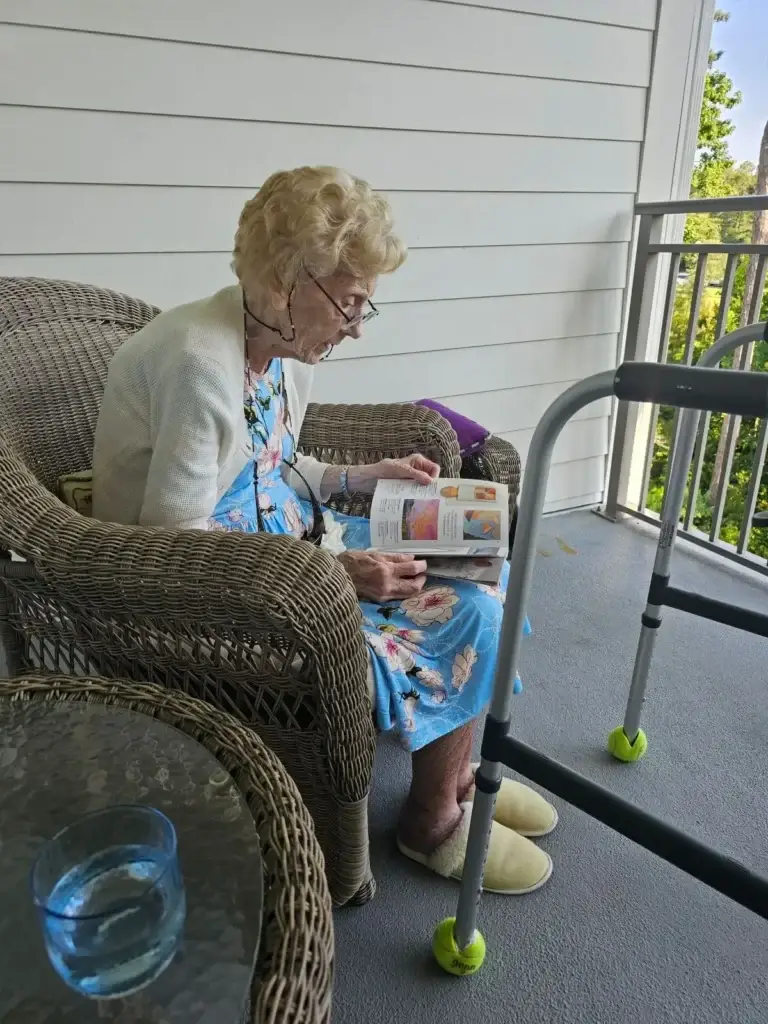


Respite care from Age in Place Home Care Services provides short-term relief for family caregivers, ranging from a few hours to several weeks. This temporary break allows caregivers to rest while a professional caregiver supports the senior at home. The agency is licensed in North Carolina (HC6708) and serves Wilmington and Wrightsville Beach.
Key Takeaways
Respite care provides short-term relief for family caregivers, spanning from a few hours to a couple of weeks.
In-home respite options keep the senior in familiar surroundings, reducing disruption and anxiety for older adults.
Family caregivers who use respite services preserve the quality of their own daily life and enhance overall family life.
Respite care can be planned or emergency care, giving families flexibility when unexpected situations arise.
What is respite care and why do caregivers need it?
Respite care provides short-term relief for primary family caregivers. The service spans from a few hours to a couple of weeks, delivered in home or through adult day programs. Age in Place Home Care Services offers short-term respite designed around a family’s schedule and the senior’s comfort.
Family caregivers often face physical exhaustion, sleep problems, poor diet, and social isolation. These burdens accumulate quietly. Without planned breaks, a caregiver’s own health deteriorates, and the quality of support for the senior declines alongside it.
How does respite care actually work?
A family identifies the hours or days when relief is needed.
A professional caregiver arrives at the senior’s home or designated location.
The caregiver handles daily activities, errands, transportation, and companionship.
The primary caregiver steps away to rest, attend appointments, or reconnect socially.
In-home respite options keep the senior in familiar surroundings. This reduces disruption and anxiety for older adults who resist change.
What happens when caregivers skip respite?
According to AARP’s Valuing the Invaluable Report : “Family caregivers now average 27 hours of care per week, and 57 percent are in high-intensity roles”. This trend shows that the need for breaks for family care givers is more important than ever. Not just for the caregiver’s mental health, but so they can continue to provide quality care to their loved ones. Skipping breaks produces the opposite outcome. Exhaustion compounds. Relationships strain. The caregiving role becomes harder to sustain over months and years.
Respite care can be planned or emergency care. Age in Place Home Care Services provides respite care in Wilmington that adapts to both planned and urgent needs.
What are the main respite care options for families?
Families seeking temporary relief from caregiving duties have several distinct respite care paths. The primary options include in-home respite options, adult day programs, and facility-based stays. Each approach delivers a different level of structure and supervision. The right choice depends on the senior’s needs, comfort, the family caregiver’s schedule, and the urgency of the respite care.
How does in-home respite care work?
In-home respite brings a professional caregiver directly to the senior’s residence. This model keeps the older adult in familiar surroundings while the family caregiver rests or attends to other responsibilities. Services often include companionship, errands, transportation, and personal care. A caregiver engages the senior with activities during the visit. The Louisiana Department of Health notes that respite care can be planned or emergency respite care, giving families flexibility when unexpected situations arise. Age in Place Home Care Services structures these visits to match the household’s routine. A few hours of support can prevent caregiver exhaustion from compounding into a crisis.
What are facility-based and adult day respite options?
Some families need care outside the home. Short-term respite stays at a healthcare facility offer overnight or multi-day coverage. These arrangements work well when the primary caregiver travels or needs extended recovery time. Adult day programs provide another alternative. Drop-off day programs at schools, health care facilities, or faith-based agencies deliver structured activities for seniors. The senior socializes and receives supervision during daytime hours. Age in Place Home Care coordinates with these community resources when a change of environment benefits the older adult. Facility-based care adds a layer of clinical oversight that some families prefer for complex situations.
Which respite option fits an urgent, unplanned situation?
Emergency respite care addresses sudden caregiver absences. A family caregiver’s illness or an unexpected obligation creates immediate need. In-home respite responds fastest in these scenarios. A caregiver arrives at the residence within a short window. The senior’s routine continues without disruption. The company’s local presence in Wilmington, North Carolina allows rapid deployment. Families avoid the stress of relocating a confused or anxious senior during a crisis.

How does in-home respite care support senior routines?
In-home respite care preserves a senior’s daily rhythm without disruption. Familiar surroundings, personal belongings, and established schedules remain intact while the primary family caregiver takes essential time away. Seniors avoid the disorientation that accompanies relocation to an unfamiliar facility. The home represents independence, familiarity, memories, and dignity. Removing a senior from that environment, even temporarily, risks confusion and emotional distress.
What daily activities do respite caregivers handle?
Respite caregivers maintain the senior’s typical day through structured support. A customized care plan guides every interaction. The plan reflects health history, daily routines, and personal preferences gathered during an initial consultation. Caregivers then execute that plan consistently.
Prepare meals according to dietary preferences and physician recommendations.
Provide companionship through conversation, games, puzzles, or shared hobbies.
Handle light housekeeping tasks including laundry, vacuuming, and kitchen cleanup.
Offer transportation and accompaniment to appointments, errands, or social outings.
This consistency matters. A senior with dementia relies on predictable patterns to reduce anxiety. A senior recovering from surgery needs reliable meal and medication reminder schedules. The caregiver steps into the family caregiver’s role seamlessly.
Can in-home respite work for extended breaks?
Extended breaks require more comprehensive coverage. The company provides overnight care and 24-hour home care designed to maximize safety. A family caregiver traveling for several days or recovering from an illness can arrange continuous support. The senior never leaves home. The caregiver manages all personal care, mobility assistance, and overnight monitoring.
How does respite care handle unexpected situations?
Emergency respite care activates quickly when a family caregiver faces a sudden health crisis or obligation. The company’s local ownership allows rapid response. A caregiver arrives at the home, reviews the existing care plan, and maintains the senior’s routine with minimal disruption. Short-term respite services scale from a few hours weekly to continuous 24-hour support. In-home respite options eliminate the logistical burden of packing, transporting, and acclimating a senior to a new setting. The senior’s routine continues. The family caregiver receives necessary relief. Both parties benefit from a solution that prioritizes stability.
How do I choose the right respite option for my family?
Selecting the right respite arrangement requires a clear-eyed assessment of daily care needs, caregiver capacity, and provider qualifications. Families who skip this structured evaluation risk caregiver burnout and unsafe transitions for the senior. A methodical approach protects both the primary caregiver and the loved one receiving support.
What specific care tasks does my loved one need help with?
Begin by listing every activity the senior requires assistance with throughout a typical day. Personal care services help clients safely perform activities of daily living while preserving dignity and independence. This inventory includes bathing, dressing, mobility support, toileting, and companionship needs. Without this detailed list, families often underestimate the skill level required from a respite provider.
How much relief does the primary caregiver actually need?
Caregiver exhaustion does not announce itself with a single crisis. It accumulates through missed sleep, postponed medical appointments, and social withdrawal. Family caregivers deserve support too. Respite care allows spouses, children, and family caregivers to rest, attend their own health needs, or simply recharge. The frequency and duration of short-term respite should match the caregiver’s actual depletion level, not an arbitrary schedule. A few hours weekly may suffice for some. Others need overnight coverage or multi-day blocks.
Emergency respite care demands a different calculation. Sudden illness, a family obligation, or an unexpected work demand can create an immediate gap. Families must verify that a provider can deploy a qualified caregiver on short notice before the crisis hits.
What safety standards does the provider meet?
Three non-negotiable checks protect the senior and the family. First, confirm state licensure. Age in Place Home Care Services is licensed by the State of North Carolina under license number HC6708, bonded, and insured. Second, verify caregiver vetting. Every caregiver undergoes comprehensive background screening, drug testing, and employment verification. Third, demand a personalized care plan. A generic service list signals a provider that treats all clients identically. A customized plan reflects the senior’s actual routines, preferences, and health realities.
In-home respite options offer distinct advantages over facility-based alternatives. The senior remains in familiar surroundings with established routines. Disruption drops. Anxiety decreases. The caregiver returns to a stable situation rather than managing the fallout from an unfamiliar environment.
What steps do I take to arrange respite care in Wilmington?
Arranging short-term respite through Age in Place Home Care Services follows a clear, four-step process. The agency serves Wilmington, Wrightsville Beach, and surrounding areas in New Hanover County. Families avoid the stress of coordinating fragmented support by working with one local provider.
How does the initial consultation work?
Every client begins with a complimentary in-home consultation. During this visit, the team learns about health history, daily routines, current challenges, and goals for care. This assessment shapes a personalized care plan rather than a generic service package.
What happens after the care plan is approved?
Schedule the consultation. Contact the agency to book the complimentary in-home visit.
Review the care plan. Discuss specific in-home respite options with the Registered Nurse Supervisor.
Confirm payment arrangements. Age in Place accepts private pay, works with long-term care insurance providers, and assists eligible Veterans with VA benefits.
Set the start date. Services can often begin within 24 to 48 hours, with same-day care available for qualifying situations.
Can families arrange emergency respite care quickly?
Yes. Age in Place prioritizes urgent requests when a primary caregiver faces sudden illness, hospitalization, or another crisis. Same-day placement depends on caregiver availability and the client’s location within the service area. Families should call us directly at (910) 386-4511 rather than waiting for online scheduling in time-sensitive situations.
FAQ
What respite care options does Age in Place Home Care Services offer?
Age in Place Home Care Services provides short-term and long-term in-home respite care, ranging from a few hours to ongoing care, for families in Wilmington, Wrightsville Beach, Leland, Bayshore and surrounding areas.
How does in-home respite care keep the senior comfortable?
In-home respite keeps the senior in familiar surroundings, reducing disruption and anxiety for older adults who resist change.
Can respite care be used for emergencies?
Yes, Age in Place Home Care Services provides respite care that adapts to both planned and urgent needs.
Conclusion
Families who take the time to assess their loved one’s specific care needs, the caregiver’s actual level of depletion, and the provider’s safety standards, position themselves for a successful respite experience. In-home care eliminates the disruption of facility-based alternatives, keeping the senior in familiar surroundings while the primary caregiver receives necessary relief. Contact us today to schedule a complimentary in-home consultation and begin the process of building a personalized respite plan.