
What you need to know about aging in place.

Every day in America, approximately 11,000 people celebrate their 65th birthday. Tomorrow, another 11,000 will join them. And the day after that, another 11,000.
This isn’t a temporary trend—it’s one of the most significant demographic shifts in U.S. history.
Today, more than 61 million Americans are age 65 or older, representing nearly 19% of the population. By 2040, that number is projected to approach 80 million, meaning roughly one in every five Americans will be a senior.
This phenomenon has earned a fitting nickname: The Silver Tsunami.
But here’s the reality most families don’t realize until they’re living it:
This isn’t a future problem.
It’s happening right now.
The demand for senior care is growing faster than our healthcare system can keep up, leaving millions of families scrambling to make difficult decisions during moments of crisis.
When Should You Think About Home Care Services?
According to the U.S. Department of Health and Human Services, approximately 70% of adults who reach age 65 will require some type of long-term care during their lifetime.
That means long term care isn’t the exception. It’s the expectation.
Yet most families never discuss what they want if or when that day arrives. Instead, conversations often begin after:
- A fall
- A hospitalization
- A dementia diagnosis
- A medication mistake
- A caregiver reaching complete exhaustion
Unfortunately, by then, choices are often limited
What Is The Best Option For Senior Care?
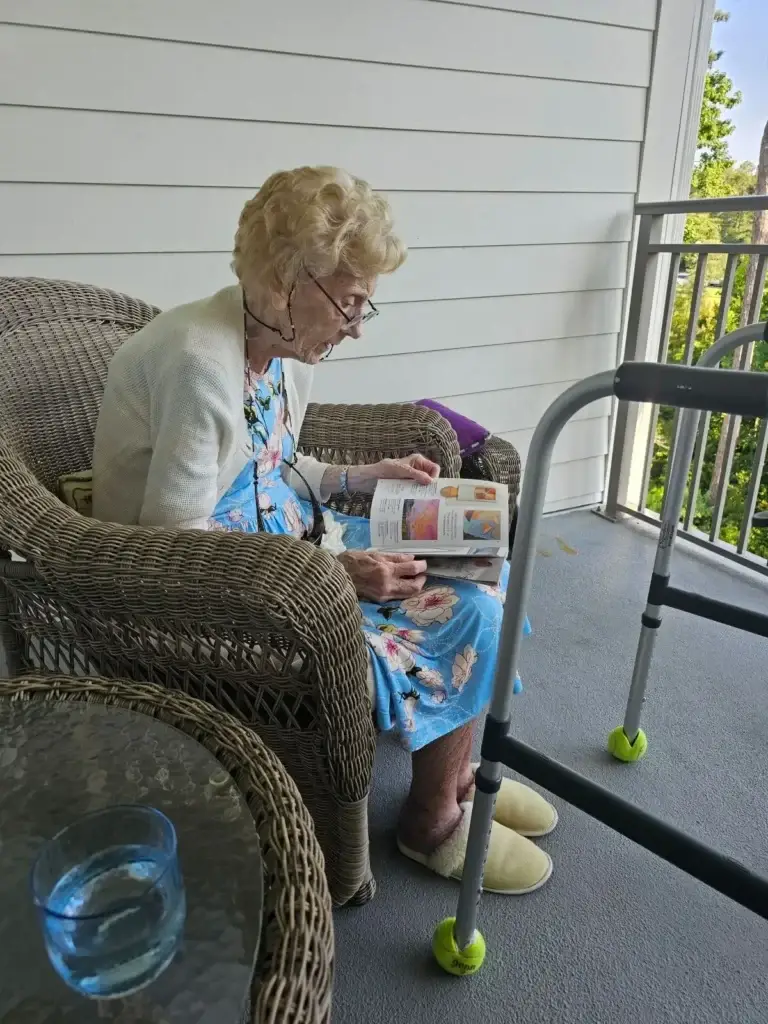
Research consistently shows that nearly 90% of older adults want to age in place. They don’t dream about spending their later years in a facility. They want to:
- Sleep in their own bed
- Look at familiar family photos
- Drink coffee in their favorite chair
- See neighbors they’ve known for years
- Keep as much independence as possible
Aging in place isn’t simply about comfort.
It often supports emotional well-being, preserves routines, and helps people maintain a sense of
dignity and control over their lives.
That’s where professional home care can make an enormous difference.
What Is Home Care?
One of the biggest challenges families face is understanding the different elder care options.
Many people hear terms like:
- Home Care
- Companion Care
- Home Health Care
- Assisted Living
- Skilled Nursing
- Elder Care
- Hospice
- Respite Care
…and assume they all mean the same thing.
They don’t.
In Home Senior Care provides non-medical assistance that allows older adults to remain safely in their own homes.
Known as the activities of daily living, professional senior care agencies help seniors and their families build a plan of care that provides the help that is needed to age in place. Companion care is is exactly what it sounds like. Rather than focussing on activities such as bathing or dressing, or toileting the focus of the companion is to send time and focus on quality of life. it is important to note that in home care is often provided to seniors living in continuing retirement communities and assisted living facilities when the residents needs surpass the abilities of the facility to provide.
What Do The Activities Of Daily Living Include:
- Personal hygiene and bathing
- Dressing assistance
- Mobility and transfers
- Meal preparation
- Medication reminders
- Laundry
- Light housekeeping
- Grocery shopping
- Companionship
- Transportation assistance
For many seniors, just a few hours of support each week can delay or even eliminate the need for institutional care.
America’s Caregiver Shortage Is Reaching a Breaking Point
One of the biggest challenges facing healthcare isn’t demand.
It’s staffing.
The United States is experiencing a severe shortage of direct care workers across nearly every healthcare setting, including hospitals, home care agencies, assisted living communities, and skilled nursing facilities.
COVID-19 accelerated a crisis that was already developing.
Many experienced caregivers retired early.
Others left healthcare entirely due to burnout.
The result?
Demand continues rising while the available workforce struggles to keep pace.
This isn’t because families don’t want help.
Often, it’s because there simply aren’t enough caregivers available.
Assisted Living and Nursing Homes Are Under Pressure
Many families assume that if home isn’t an option, a facility will be.
Unfortunately, that’s becoming increasingly difficult.
Across the country:
- Assisted living communities continue filling faster than new communities are being built.
- Skilled nursing facilities have reduced available beds because staffing requirements cannot be met.
- Waitlists continue growing in many markets.
Construction costs, labor shortages, insurance expenses, and financing challenges have slowed new development.
Even when buildings exist, staffing often determines whether those beds can actually be used.
Families who wait until an emergency often discover there are far fewer options than expected.
Families Have Become America’s Largest Caregiving Workforce
When professional care isn’t available—or planning hasn’t occurred—families step in.
Today, more than 37 million Americans provide unpaid care for adults every month.
Many are balancing careers, raising children, and managing households while simultaneously becoming:
- Nurse
- Medication manager
- Chauffeur
- Cook
- Housekeeper
- Advocate
- Financial coordinator
Caregiver burnout is real.
I’ve seen spouses in their eighties caring for partners in their nineties.
I’ve seen adult children trying to manage parents’ care from several states away.
I’ve watched families sacrifice their own health while trying to help someone they love.
Family members should always remain sons, daughters, husbands, and wives first.
Professional caregivers exist to help families stay families.
Why Planning Early Changes Everything
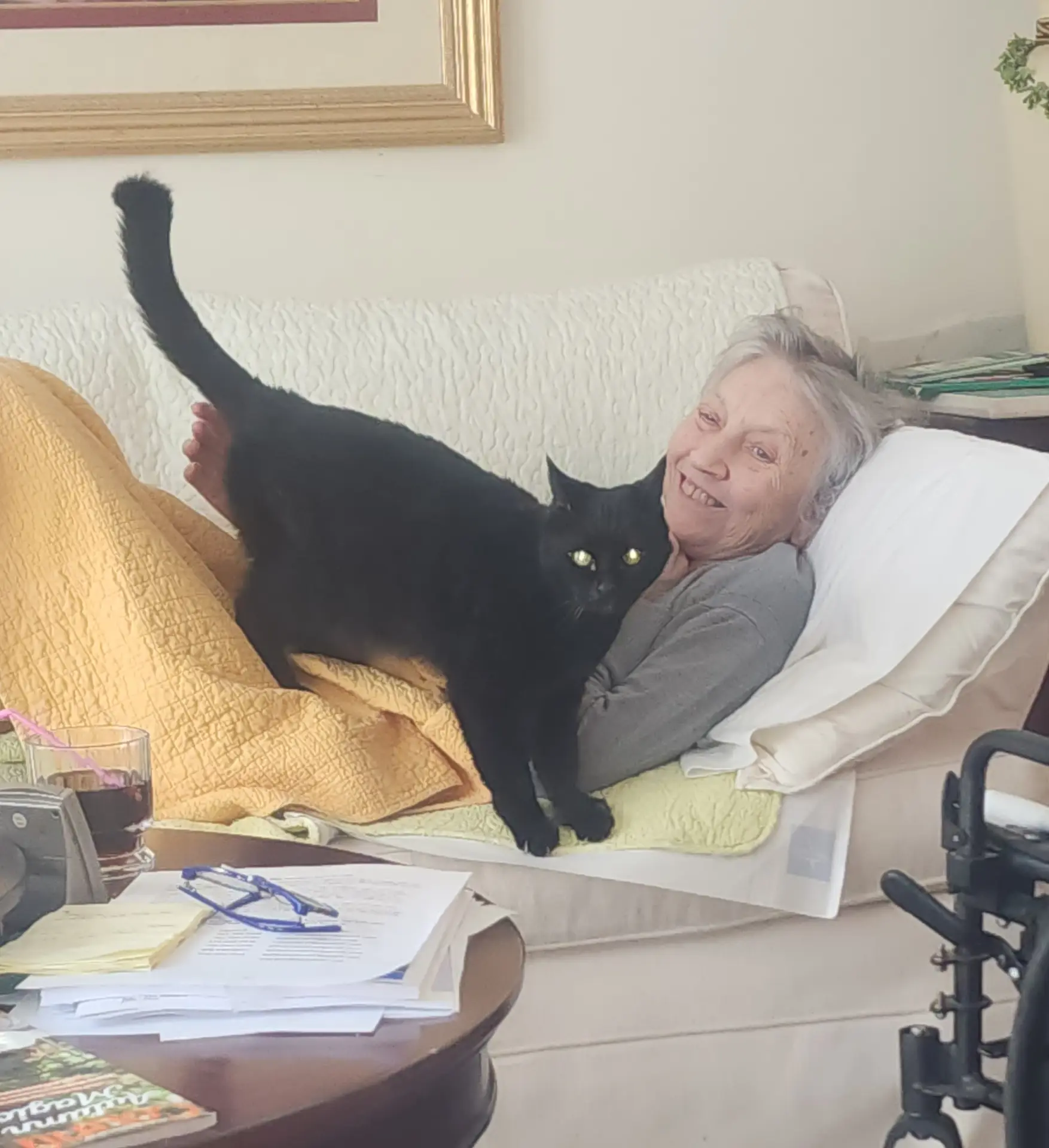
One of the biggest misconceptions about aging is that it happens overnight.
It rarely does. More often, it begins with subtle warning signs:
- Missing medications
- Difficulty driving
- Increased forgetfulness
- Trouble managing finances
- Small falls
- Weight loss
- Missed appointments
These small moments often become larger problems if ignored.
Families who begin planning early generally experience:
- More choices
- Less stress
- Better safety
- Greater independence
- Smoother transitions
Being proactive doesn’t take independence away.
It protects it.
I often tell families:
Don’t let the emergency room become your long-term care plan.
Having conversations before a crisis gives everyone more time to make thoughtful decisions instead of emotional ones.
The Financial Reality of Aging
Retirement planning often focuses on savings, investments, and income.
What many families overlook is the cost of long-term care.
National averages continue to climb:
Costs vary by location, but one trend is clear:
Long-term care is becoming more expensive every year.
Planning ahead provides families with more financial flexibility and more care options.
My Journey Into Senior Care
Healthcare wasn’t my original career path.
Everything changed in 2013 when my father became seriously ill.
Like so many families, we suddenly found ourselves trying to understand a system we knew very little about.
We were overwhelmed.
We asked questions we never imagined asking.
We did our best with information we never expected to need.
That experience changed my life.
It inspired me to open my first home care company in Wilmington in 2014.
Since then, I’ve owned two home care companies and founded a wheelchair transportation company, all with one purpose:
Helping families navigate one of life’s most difficult transitions with clarity, compassion, and confidence.
Over the years, I’ve worked alongside hundreds of families.
I’ve seen loved ones successfully remain at home for years because they planned ahead.
I’ve also seen families forced into difficult decisions after waiting until a medical emergency left them with few options.
One lesson stands out every time:
Families rarely regret starting the conversation too early.
They often regret waiting too long.
Aging Is a Family Conversation
Aging isn’t simply a healthcare issue.
It’s a family issue.
A community issue.
A human issue.
Every one of us hopes to grow older with dignity, safety, and independence.
Every family deserves the knowledge, resources, and support to make that possible.
The greatest gift we can give our parents isn’t necessarily more years.
It’s helping them make the most of the years they have—with comfort, purpose, connection, and the opportunity to remain where they feel most at home.
If your family has started noticing changes—or if you simply want to understand your options before a crisis occurs—now is the time to begin the conversation.
Because planning ahead doesn’t mean expecting the worst.
It means being prepared to provide the very best care when it’s needed most.
Frequently Asked Questions
What is the difference between home care and home health care?
Home care provides non-medical assistance with daily activities such as bathing, dressing, meal preparation, companionship, and housekeeping. Home health care involves licensed medical professionals providing skilled nursing, therapy, or other medical services, typically under a physician’s order.
When should a family consider home care?
Many families benefit from home care at the first signs of declining independence, such as frequent falls, missed medications, memory concerns, difficulty with household tasks, or caregiver burnout. Starting services early often helps seniors remain safely at home longer.
Is home care more affordable than assisted living or a nursing home?
It depends on the number of care hours needed. For seniors who don’t require around-the-clock care, home care is often a cost-effective way to receive personalized support while remaining in familiar surroundings.
How do I know if my loved one can safely age in place?
A professional home care assessment can evaluate mobility, cognitive health, home safety, daily living needs, and available family support to determine whether aging in place is a safe and practical option.
Conclusion
Understanding the various options for aging in place can empower families to make informed decisions about senior care that prioritizes comfort, safety, and independence. Planning early not only reduces stress but also enhances the quality of life for loved ones navigating their later years. If you’re noticing changes in a family member’s ability to care for themselves, consider initiating conversations about home care solutions today. Discover how our services can support your family in maintaining the highest standard of living at home.
Contact us today for a free care consultation or call us at (910) 386-4511.